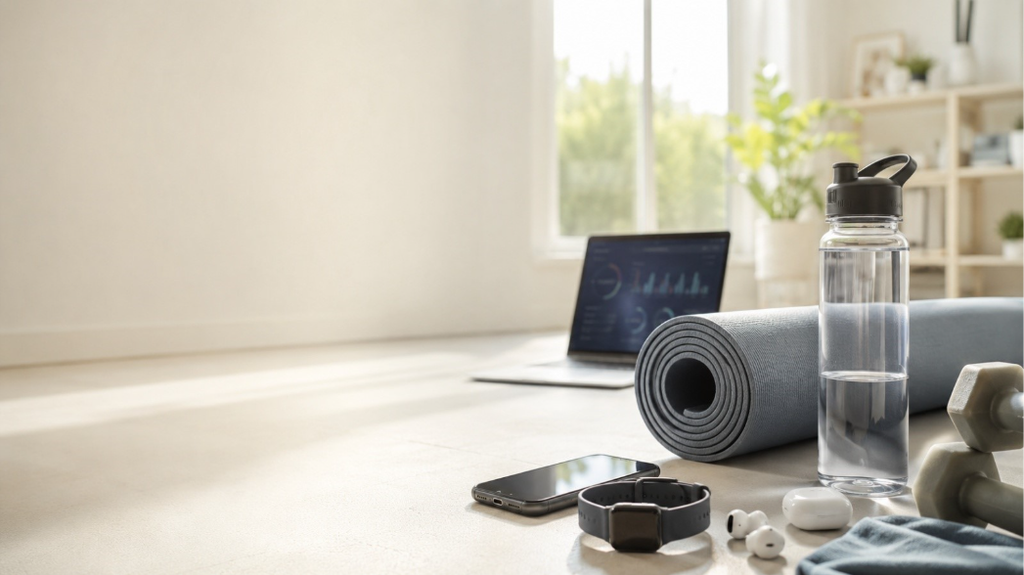
Technology has become part of almost every aspect of modern life, including the way we exercise, eat, sleep and monitor our health.
A smartphone can count steps, remind you to move, record a workout and provide access to an exercise class within seconds. Wearable devices can track activity and provide information about sleep, heart rate and other measurements.
Used thoughtfully, these tools can make healthy habits easier to establish and maintain.
But there is another side to the relationship between technology and wellbeing. Spending too much time looking at screens, becoming overly focused on numbers or feeling pressured to track every aspect of your lifestyle can create its own problems.
The goal isn’t to use technology as much as possible. It is to use it selectively, choosing tools that genuinely make healthy habits easier.
Use Technology to Make Movement More Convenient
One of the biggest advantages of digital technology is convenience.
You no longer need to be at a gym to access a workout. A phone, tablet or computer can provide access to exercise videos, training programmes, stretching routines and guided sessions from almost anywhere.
This can be particularly useful for people who find traditional gym environments intimidating or inconvenient.
A short workout at home may be more realistic than spending an hour travelling to and from a gym. Similarly, a guided stretching session can be useful after a long day at work.
Technology doesn’t eliminate the need for motivation, but it can reduce some of the practical barriers that make exercise difficult.
Let Your Phone Remind You to Move
Modern phones are constantly sending notifications, but not all reminders need to be about messages, emails or social media.
You can also use technology to encourage healthier behaviour.
A simple reminder can prompt you to:
- Stand up after sitting for a long period
- Take a short walk
- Drink some water
- Stretch
- Begin a planned workout
- Prepare for bedtime
The usefulness of reminders comes from their simplicity.
You don’t need dozens of notifications throughout the day. One well-timed reminder may be enough to interrupt a long period of inactivity.
Fitness Trackers Can Provide Useful Feedback
Fitness trackers can make otherwise invisible behaviour more noticeable.
You may think you’ve been moving regularly throughout the day, only to discover that much of your working day has actually been spent sitting.
Likewise, tracking a walk can help you recognise how much activity you are accumulating without deliberately scheduling a workout.
This information can be useful as a general guide.
However, numbers should be treated as information rather than a judgement of whether you’ve had a “good” or “bad” day.
A missed step target doesn’t mean you’ve failed. A lower-than-usual activity level may simply reflect a busy day, poor weather, travel or the need for rest.
Don’t Let the Numbers Take Over
One potential downside of fitness technology is becoming overly focused on measurements.
Steps, calories, distance, heart rate, workout duration and sleep scores can all be useful pieces of information. But constantly checking them can turn healthy behaviour into a source of pressure.
For some people, tracking creates motivation. For others, it creates anxiety or makes exercise feel like a competition with themselves.
There is no requirement to track everything.
If a particular measurement helps you understand your habits, use it. If it makes you feel stressed or guilty, consider reducing how much attention you give it.
Technology should support your wellbeing, not control it.
Online Workouts Can Remove Barriers
Online exercise has made it possible to access a huge variety of workouts without needing specialist equipment.
You can find sessions designed around:
- Strength training
- Pilates
- Mobility
- Dance
- Cardio
- Stretching
- Bodyweight exercises
This variety can also help prevent boredom.
If you don’t enjoy running, for example, you can try a dance workout or strength session instead. If you have limited time, you can choose a shorter routine.
The best exercise programme is one you can realistically follow, and digital access can make experimenting with different activities much easier.
Use Apps to Build Consistency
Healthy habits often depend more on consistency than occasional bursts of enthusiasm.
Habit-tracking apps and calendars can help make behaviour visible.
You might mark the days you exercised, went for a walk, prepared a home-cooked meal or followed a regular bedtime.
The purpose isn’t to create a perfect streak.
Instead, tracking can help you identify patterns. You might notice that you’re more active on certain days or that you’re consistently skipping exercise when your schedule becomes particularly busy.
Once you understand those patterns, you can make practical changes.
Technology Can Help with Planning
Digital calendars and planning tools aren’t usually thought of as fitness equipment, but they can still support an active lifestyle.
If exercise is repeatedly left until the end of the day, it may never happen.
Scheduling a walk or workout in advance gives it a defined place in your day.
You can also use technology to prepare for activities. A weather app can help you decide what to wear for an outdoor run. A mapping tool can help you plan a walking route. A timer can structure intervals during a workout.
Small conveniences can make healthy choices easier.
For anyone interested in using technology more effectively, practical digital tools and solutions can make everyday tasks simpler and help turn useful ideas into manageable habits.
Don’t Forget the Offline Benefits
Ironically, one of the best ways to use technology for better health may sometimes be to put it down.
A walking workout doesn’t necessarily require you to stare at your phone.
You can go for a walk without tracking every step. You can stretch without filming yourself. You can eat a meal without photographing it. You can exercise without sharing the results online.
Technology is most useful when it supports the activity rather than becoming the activity.
There is value in having periods where exercise is simply exercise.
Be Careful with Health Information Online
The internet provides access to an enormous amount of health and fitness information.
That can be useful, but it also means that not everything you encounter online is reliable.
Social media can make extreme diets, unrealistic workout routines and questionable health claims appear more credible than they are.
Be cautious when someone presents a dramatic result as though it is guaranteed for everyone.
For medical concerns, persistent pain or questions about a specific health condition, qualified healthcare professionals are a much more appropriate source of advice than a social media post or anonymous online account.
Technology gives us access to information. It doesn’t automatically make that information accurate.
Reduce Unnecessary Screen Time
Exercise and screen time can sometimes work against each other.
After spending hours at a computer, people may continue sitting while scrolling through their phones or watching television.
If you’re already spending much of your day sitting, consider using some of your free time for activities that involve physical movement.
You could listen to music or a podcast while walking, take a phone call while moving around or simply leave your phone at home during a short walk when practical.
The aim isn’t to eliminate screens. Modern life makes that unrealistic for most people.
Instead, look for opportunities to balance digital activity with physical activity.
Make Technology Work Around Your Lifestyle
Not every healthy habit needs an app.
Some people enjoy detailed fitness tracking. Others prefer a simple paper calendar and a pair of walking shoes.
The important question is whether a particular technology actually helps you.
If a smartwatch motivates you to take more walks, use it. If a workout app makes home exercise easier, keep it. If constant notifications become distracting, turn some of them off.
There is no single technology-based approach that works for everyone.
Combine Digital Guidance with Real-World Activity
Technology works best when it leads to action away from the screen.
A fitness app can suggest a workout, but you still need to perform it.
A walking app can record your route, but you still need to put your shoes on and go outside.
A sleep tracker can provide information about your routine, but improving your sleep may require changes to your evening habits.
This distinction is important.
Technology is a tool, not a substitute for healthy behaviour.
Create a Healthier Digital Routine
A few simple changes can help you use technology without allowing it to dominate your day.
Consider:
- Turning off unnecessary notifications
- Scheduling regular movement breaks
- Using apps that genuinely support your goals
- Taking occasional walks without tracking them
- Limiting recreational screen time
- Avoiding excessive checking of fitness statistics
- Using digital calendars to schedule exercise
- Taking regular breaks from sitting
- Choosing reliable sources for health information
You don’t need to make every change at once.
Start with the one that would have the biggest impact on your daily routine.
Technology Should Support Your Health, Not Define It
Digital tools have made exercise and health information more accessible than ever.
A smartphone can provide a workout. A wearable can make activity patterns visible. A calendar can help you plan exercise. A reminder can interrupt a long period of sitting.
These are useful advantages.
But healthy living shouldn’t become a collection of statistics, notifications and targets.
The most valuable technology is often the technology you use without becoming dependent on it.
Use digital tools to make healthy choices more convenient, discover activities you enjoy and understand your habits. Then step away from the screen and put those tools into practice.
Ultimately, a healthier lifestyle isn’t measured by how many apps you have or how much data your devices collect. It’s measured by the everyday habits those tools help you build.