Going on holiday doesn’t have to mean putting your usual healthy habits completely on hold.
For many people, travelling naturally changes their routine. Gym sessions may be replaced by sightseeing, meals may happen at different times and long days of exploring can make it difficult to follow a familiar exercise schedule.
But staying active while travelling doesn’t necessarily mean finding a hotel gym or squeezing a full workout into every morning.
A city break can provide plenty of opportunities to move. Walking between attractions, taking the stairs, exploring a neighbourhood on foot and choosing an active excursion can all contribute to your daily activity.
The key is to think beyond traditional workouts.
Make Walking Part of Your Sightseeing
One of the easiest ways to stay active while travelling is to explore on foot.
Walking allows you to experience a destination at a slower pace while naturally increasing your daily movement. Instead of travelling directly from one attraction to another, consider whether some journeys could be walked.
You don’t need to turn every sightseeing trip into a fitness challenge. Simply choosing to walk when the distance is reasonable can add considerably more movement to a day.
Cities can be particularly suitable for this approach because attractions, restaurants, shops and public spaces are often relatively close together.
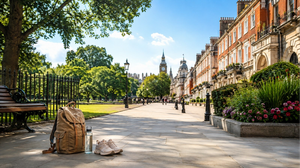
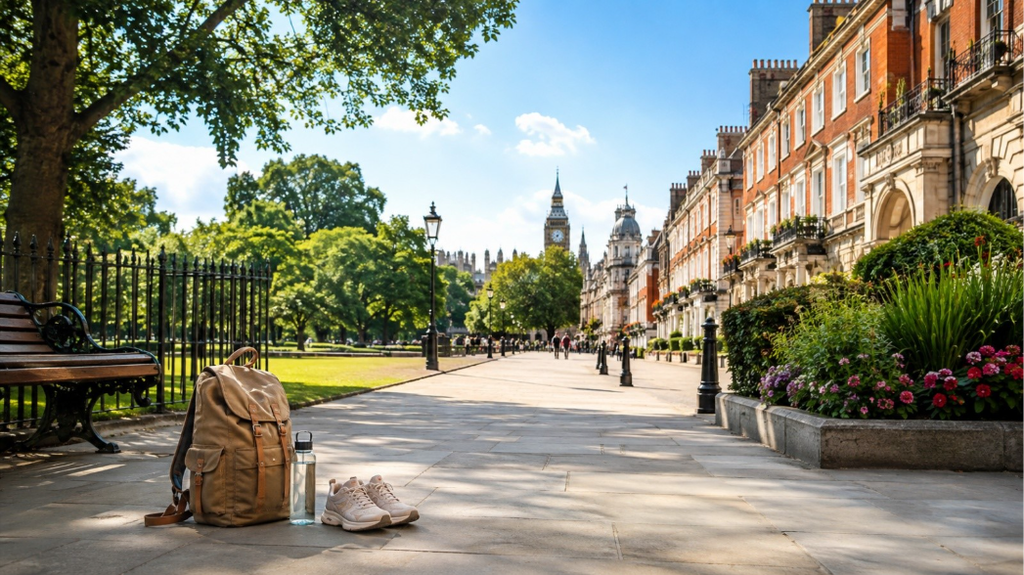
London is a particularly good example of a city where sightseeing can naturally involve plenty of walking. An itinerary might take you from Hyde Park through Westminster and along the South Bank before heading into Covent Garden or Soho.
With so many attractions, parks, historic streets and neighbourhoods close enough to explore on foot, a day planned around a London sightseeing guide can easily become an active day without feeling like a workout. Planning a route around the places you most want to see means you can build plenty of walking into your day while experiencing more of the city at the same time.
Don’t Underestimate the Stairs
Travelling often presents opportunities to take the stairs rather than automatically using lifts or escalators.
This won’t replace a structured workout, but small choices like these can increase the amount of movement you get throughout the day.
You might encounter stairs at transport stations, hotels, museums, shopping centres and tourist attractions.
There’s no need to take every staircase available. If you’re carrying heavy luggage or are particularly tired, using a lift may be the sensible choice.
The idea is simply to recognise that ordinary travel decisions can sometimes provide opportunities to move more.
Plan an Active Itinerary
If you know that you want to remain active during a trip, consider building movement into your itinerary before you leave.
Instead of planning a day around sitting in a hotel, travelling by vehicle and then sitting in restaurants, look for activities that naturally involve movement.
Depending on the destination, this could include:
- Walking tours
- Hiking
- Cycling
- Swimming
- Kayaking
- Exploring parks
- Visiting large museums on foot
- Walking through markets
- Beach walks
- Exploring different neighbourhoods
The advantage is that you’re doing something enjoyable rather than setting aside exercise as a separate task.
An active itinerary can also make a trip feel more varied.
Use Your Hotel Room
Sometimes the weather, schedule or location makes outdoor activity difficult.
That’s where a short hotel-room workout can be useful.
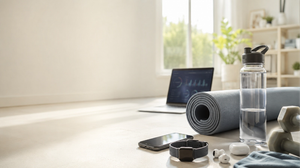
You don’t need equipment or a large amount of space. A simple routine could include bodyweight movements such as squats, lunges, wall push-ups, glute bridges and planks.
Even 10 or 15 minutes can provide an opportunity to move when your schedule doesn’t allow for something longer.
The important thing is not to turn a holiday into a rigid training programme. A short session can be enough to break up a long period of sitting or travelling.
Take Advantage of Hotel Facilities
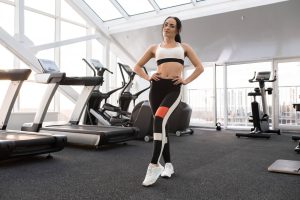
If your accommodation has a swimming pool, gym or other recreational facilities, you may want to use them.
However, don’t feel that you need to choose a hotel specifically because it has a fitness centre unless working out is an important part of your trip.
A pool can provide an enjoyable way to be active, while a hotel gym may be useful if you already have a regular strength or cardio routine.
You could also use facilities simply because they’re convenient rather than trying to recreate your complete home workout.
Walk Before Taking Transport
Public transport and taxis are invaluable when travelling, especially in large cities. But not every journey needs to be completed from door to door by vehicle.
If the next destination is reasonably close, consider walking part of the way.
For example, you could get off public transport one stop earlier and walk the remainder of the journey.
This can also be a good way to discover parts of a city that you might otherwise miss.
The aim isn’t to make every journey inefficient. It’s to identify the occasions where walking can easily replace a short vehicle journey.
Choose Active Sightseeing
Some attractions naturally involve more movement than others.
A large museum, historic site, botanical garden or sprawling park can keep you moving for hours without feeling like exercise.
Look beyond the obvious tourist highlights when planning your day.
A destination’s parks, waterfronts, markets and pedestrian streets can be just as interesting as its major landmarks, while often encouraging more walking.
This is one reason active sightseeing can work so well: the movement is part of the experience.
Don’t Forget About Rest
Staying active while travelling doesn’t mean being active every minute.
Travel can be physically demanding, particularly when you’re walking much more than usual, carrying luggage, dealing with jet lag or spending long days sightseeing.
Rest is an important part of any active lifestyle.
If you’ve walked for several hours, sitting down for a relaxed meal or spending an afternoon resting doesn’t mean you’ve failed to stay active.
Listen to your body and allow yourself time to recover.
A holiday should be enjoyable, not an endurance test.
Wear Comfortable Clothing and Footwear
If you’re planning to walk extensively, comfort becomes particularly important.
Shoes that feel fine for a short trip to the shops may become uncomfortable after several hours of sightseeing.
Choose footwear that you know you can walk in comfortably and consider the surfaces you’ll encounter.
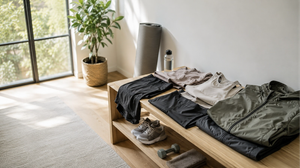
Clothing should also be appropriate for the weather and activity. Lightweight layers can be useful when temperatures change throughout the day.
The right clothing can make it easier to enjoy an active day without constantly thinking about discomfort.
Stay Hydrated
Walking and sightseeing can involve more physical activity than expected, particularly in warm weather.
Carry water when appropriate and remember that you may need more fluids when you’re spending long periods outdoors.
Don’t wait until you’re extremely thirsty before thinking about hydration.
If you’re visiting a city during hot weather, plan breaks in shaded or cool areas and pay attention to how you’re feeling.
Make Food Part of the Experience
Travelling often means trying foods you wouldn’t normally eat at home, and there’s no reason to turn a holiday into a restrictive diet.
Instead, aim for balance.
Enjoy local specialities while also looking for meals that include vegetables, protein, whole grains or other nutritious ingredients when they appeal to you.
Eating well while travelling doesn’t mean refusing desserts or avoiding restaurants. It means enjoying the experience without feeling that every meal has to be either perfectly healthy or completely indulgent.
An active day also gives you plenty of reason to enjoy a satisfying meal afterwards.
Don’t Worry About Your Normal Workout Schedule
One of the biggest mistakes people make is expecting their holiday routine to look exactly like their routine at home.
If you normally exercise five days a week, travelling may temporarily change that.
That’s okay.
A few days away from your usual gym routine won’t erase your fitness. Instead, focus on remaining generally active and returning to your normal routine when you get home.
Walking around a city, swimming, hiking or cycling can provide a completely different form of movement from your usual workouts.
Travel is also an opportunity to give your body and mind a change of pace.
Turn Travel into a Movement Opportunity
The best way to stay active while travelling is not necessarily to schedule more workouts.
Instead, look for opportunities to move that already fit naturally into your day.
Walk when practical. Take the stairs occasionally. Explore parks and neighbourhoods. Choose active excursions. Use the hotel gym if you genuinely enjoy it. Stretch after a long journey. Take a short bodyweight workout when you have time.
Most importantly, don’t make exercise another source of stress.
A successful active holiday isn’t one where you complete every planned workout. It’s one where you return home having enjoyed yourself while continuing to move, explore and look after your wellbeing.
Travelling and staying active don’t have to compete with each other. With a little planning, movement can become part of the adventure itself.