
For everyday thirst, plain water is usually the best drink. It is calorie-free, widely available, and replaces the fluid your body loses through normal activity. If plain water feels boring, unsweetened sparkling water, fruit-infused water, or unsweetened tea can also help you drink enough.
The “most hydrating” drink depends on the situation. A drink that keeps fluid in the body a little longer in a short study is not automatically the best daily choice. Taste, added sugar, calories, caffeine, alcohol, allergies, activity level, and any medical condition all matter.
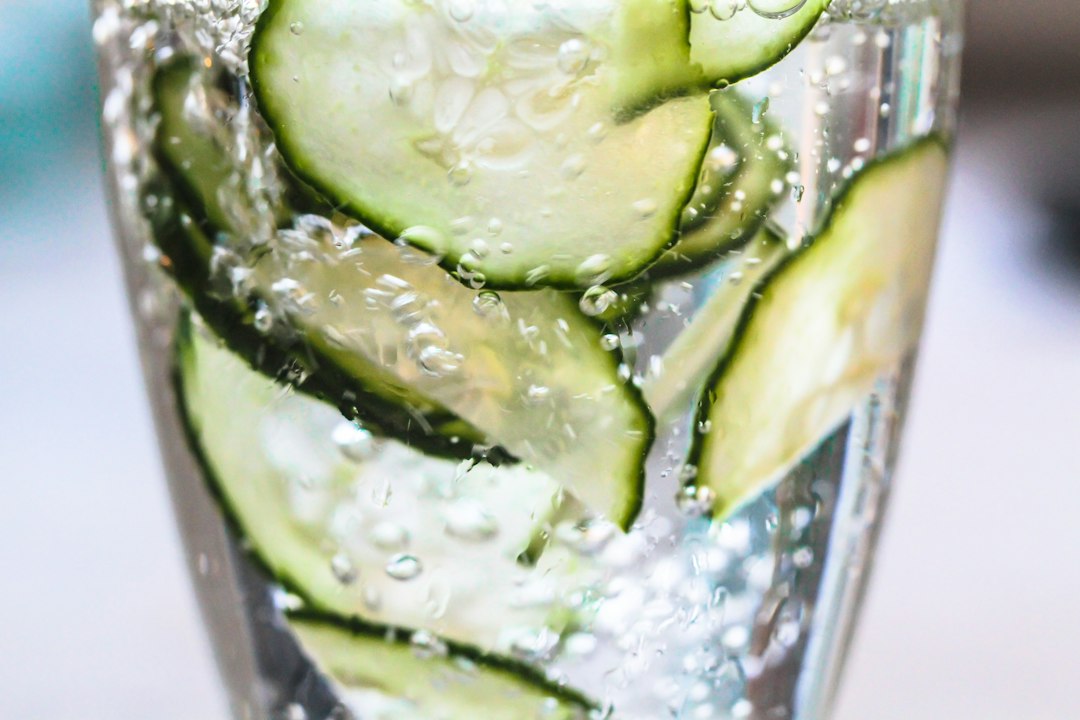
Photo by Sabrina Wendl on Unsplash.
Quick answer: what quenches thirst best?
Start with cold or room-temperature water. The CDC recommends water as the go-to drink and notes that sparkling water, seltzer, plain coffee or tea, milk, unsweetened fortified milk alternatives, and limited amounts of 100% juice can also fit a healthy eating pattern.
If you are choosing a drink after normal daily activity or a short workout, you usually do not need a special hydration product. Our guide to sweat and workout quality explains why visible sweating is not a reliable measure of exercise effectiveness.
7 hydrating drinks to consider
1. Plain water
Water is the simplest choice for ordinary thirst. It contains no added sugar or calories and works before, during, and after most everyday activities. If access or convenience is the problem, a bottle you like carrying can make water easier to keep nearby; see these practical tips on choosing a reusable water bottle.
2. Unsweetened sparkling water or seltzer
Plain carbonated water hydrates while providing the fizz some people miss from soda. Check the label: tonic water and many flavored sparkling drinks may contain added sugar, while plain seltzer generally does not.
3. Fruit- or herb-infused water
Add lemon, lime, cucumber, berries, mint, or basil to a pitcher of water. This changes the flavor without turning the drink into a sugar-heavy juice. The CDC also suggests fruit or cucumber slices as a way to make water more appealing.
4. Unsweetened iced tea
Unsweetened black, green, or herbal tea can contribute to fluid intake. Choose caffeine-free herbal tea if caffeine affects your sleep or makes you feel uncomfortable. Bottled teas often contain added sugar, so compare the Nutrition Facts label.
5. Plain milk or an unsweetened fortified alternative
Milk supplies fluid plus nutrients such as protein, calcium, and potassium. An unsweetened fortified soy or other plant-based drink may be an option for people who avoid dairy, but nutrition varies by product. This can be useful with a meal, although water remains the lighter everyday thirst choice.
6. Diluted 100% fruit juice
A small splash of 100% juice in still or sparkling water adds flavor. Juice contains natural sugar and lacks much of the fiber in whole fruit, so it is better treated as a flavoring or limited serving than an all-day thirst drink. Read our comparison of fruit juice versus whole fruit for more context.
7. An electrolyte drink when the situation calls for it
Water is enough for many routine workouts. During several hours of heavy sweating or prolonged heat exposure, a balanced electrolyte drink may be useful; NIOSH guidance for working in heat makes this distinction. Sports drinks can contain substantial added sugar, so they are not automatically a better daily beverage.
Drinks that may feel refreshing but are not the best first choice
- Alcoholic drinks: Alcohol can increase urination by suppressing vasopressin, according to the National Institute on Alcohol Abuse and Alcoholism. A cocktail or sangria should not be presented as a hydration drink.
- Sugary soda, sweet tea, and fruit drinks: They provide fluid, but often add a large amount of sugar and calories. The CDC suggests choosing water over sugary drinks.
- Energy drinks: These are marketed for stimulation, not routine hydration, and may contain high amounts of caffeine and sugar.
- Very hot or intensely sweet drinks: They may be less appealing when you are already thirsty, even though the fluid still contributes to intake.
Three simple thirst-quenching drink ideas
Cucumber-mint water
Add several cucumber slices and a few lightly crushed mint leaves to a pitcher of cold water. Refrigerate for 30 minutes, then serve over ice. Keep the pitcher chilled and use fresh produce that has been washed properly.
Citrus-berry sparkling water
Fill a glass with plain sparkling water, add two or three crushed berries, and squeeze in a small wedge of lemon or lime. The fruit adds aroma and flavor without needing syrup.
Unsweetened iced herbal tea
Brew a caffeine-free herbal tea according to the package directions, cool it promptly, and refrigerate. Serve with lemon or mint. If you sweeten it, use a small amount rather than turning it into a sugary drink.
How much should you drink?
There is no single number that fits everyone. Fluid needs vary with age, body size, pregnancy or breastfeeding, activity, climate, illness, and diet. Water-rich foods also contribute to total intake. If you want to make water easier to remember, pair it with regular routines such as meals, breaks, and workouts. You can also review the practical water-drinking habits in this guide.
This article covers everyday beverage choices, not treatment for dehydration. Repeated vomiting or diarrhea, confusion, fainting, very low urination, or symptoms of heat illness need appropriate medical guidance rather than a homemade drink.
Frequently asked questions
Is water the most thirst-quenching drink?
For most everyday situations, water is the best first choice because it replaces fluid without added sugar, calories, caffeine, or alcohol. Other unsweetened drinks can also contribute to hydration.
Is milk more hydrating than water?
Some short studies suggest milk may help the body retain fluid longer than water, but that does not make it the best all-purpose thirst drink. Milk contains calories, protein, and carbohydrates and may not suit people with allergies or intolerance. For ordinary thirst, water remains the simplest option.
Do you need electrolytes every time you exercise?
No. Water is generally suitable for normal daily activity and many shorter workouts. Electrolyte replacement becomes more relevant with prolonged heavy sweating, extended heat exposure, or individualized medical advice.
Does cold water hydrate better?
Temperature mostly affects preference. Cold water may feel more refreshing in hot weather, but the best temperature is the one that helps you drink comfortably and consistently.